
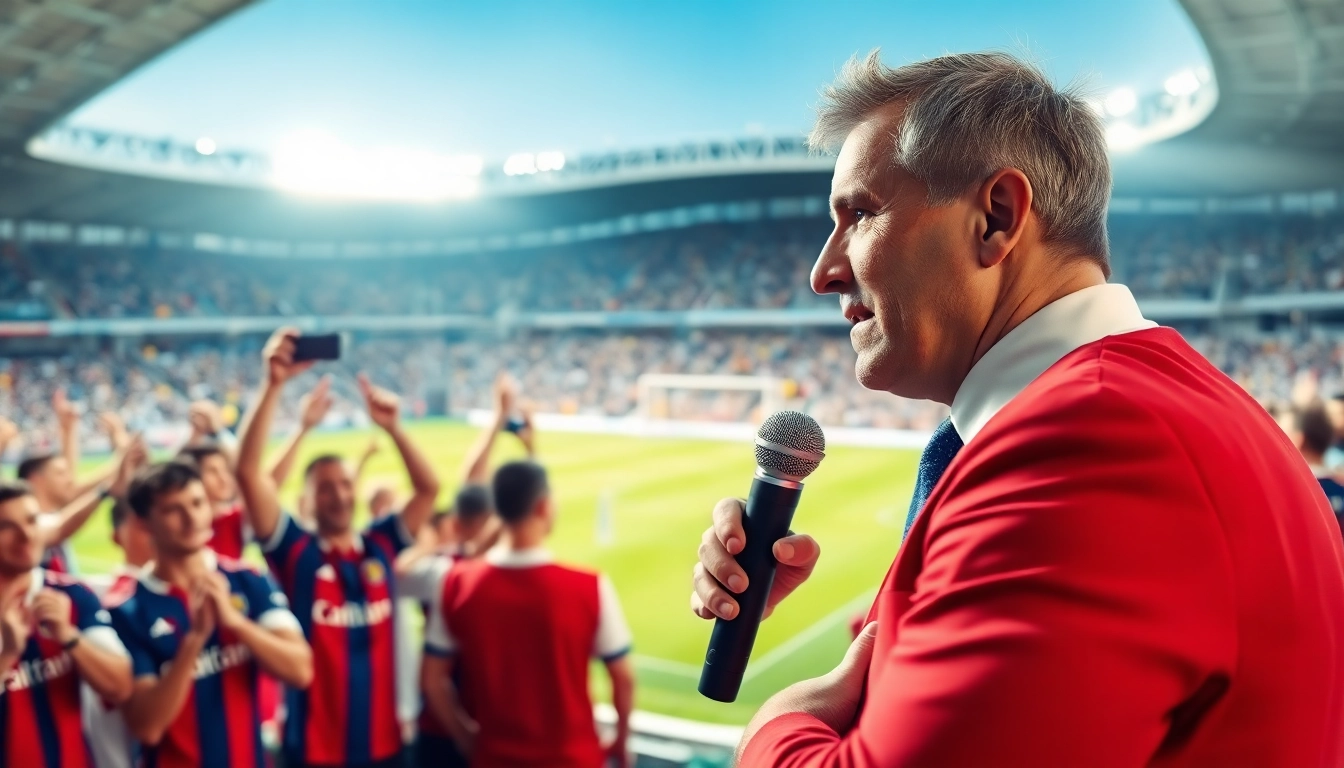
Understanding Sports Broadcasting
What is Sports Broadcasting?
Sports Broadcasting refers to the dissemination of live or recorded sports events through various media platforms, such as television, radio, or digital channels. This vibrant field not only entertains millions of fans worldwide but also plays a pivotal role in shaping sporting events and their accessibility. With a growing emphasis on Sports Broadcasting, networks have transformed how fans connect with their favorite teams and players.
The Evolution of Sports Broadcasting
The journey of sports broadcasting dates back to the early 1900s. Initially, coverage was limited to local radio stations providing play-by-play commentary. As technology advanced, so did the scope and reach of broadcasting. The first televised sports event—a boxing match—occurred in the late 1930s, paving the way for an explosion in televised sports. By the 1980s, cable networks emerged, giving sports a global platform, with events broadcasted around the world, enabling fans to follow their teams like never before.
Key Components of Sports Broadcasting
Successful sports broadcasting comprises several critical elements, including production, commentary, and audience engagement. Production involves planning every aspect of the broadcast, from camera angles to graphics. Commentators play an essential role, providing insights, analysis, and storytelling that enhance the viewer’s experience. Finally, engaging the audience through social media, polls, and interactive elements enriches the viewing experience, fostering a deeper connection between fans and their sports.
Technology in Sports Broadcasting
Latest Innovations Shaping Sports Broadcasting
Recent technological advancements have dramatically reshaped sports broadcasting. High-definition (HD) and 4K broadcasts offer clearer, more immersive visuals, while virtual graphics enhance the viewing experience with real-time statistics during gameplay. Innovations like instant replay and multiple camera angles provide deeper insights and enhance viewer engagement, making the spectator’s experience richer and more engaging.
The Role of Streaming in Sports Broadcasting
Streaming technology has revolutionized how fans consume sports content. With platforms like OTT (over-the-top) services, viewers can watch their favorite games anytime and anywhere, contributing to a more personalized experience. This shift has led broadcasters to adapt by offering multi-language commentary, exclusive behind-the-scenes access, and interactive content tailored to audience preferences, ensuring that sports stay relevant in this competitive digital age.
Tools and Equipment for Effective Broadcasting
The backbone of effective sports broadcasting lies in its tools and equipment. Advanced cameras, drones, and remote-operated robotic systems allow for dynamic coverage of events. Moreover, software for graphics, audio mixing, and live streaming are essential for creating a polished final product. Continuous upgrades and training ensure that broadcasting teams remain equipped to deliver high-quality content that meets audience expectations.
Challenges in Sports Broadcasting
Addressing Live Broadcast Issues
Live broadcasts come with unique challenges, including unpredictable events such as weather changes or technical malfunctions. Broadcasters must have contingency plans, incorporating backup systems and alternative content ready to minimize disruptions. Additionally, training staff to improvise or adapt in real-time can ensure that the show goes on regardless of the hurdles they encounter.
Staying Compliant with Broadcasting Regulations
Broadcasting regulations can vary significantly from one jurisdiction to another, requiring sports broadcasters to remain informed about legal requirements. Compliance is crucial to avoid penalties and ensure fair play. Understanding rights management, licensing agreements, and content restrictions is essential for smooth operations, particularly when broadcasting international events.
Overcoming Technical Difficulties
Technical difficulties present a constant challenge in sports broadcasting, where every second counts. Producers must ensure that their technology is reliable and that backup systems are in place for coverage integrity. Regular equipment maintenance and staff training on best practices for troubleshooting are effective strategies for minimizing potential disruptions during live events.
Sports Broadcasting Best Practices
Engaging Your Audience
Audience engagement is paramount in sports broadcasting. Utilizing social media to interact with viewers, creating polls, and including viewer feedback in broadcasts enhances viewer investment. Additionally, behind-the-scenes content creates a more personal connection, giving fans a glimpse into the lives of their heroes and improving overall engagement with the sport.
Maintaining Professional Standards
Professionalism in sports broadcasting involves adhering to ethical standards, ensuring accuracy in reporting, and displaying respect for all involved, including players and fans. Training broadcasters to handle sensitive topics with care can enhance trust and credibility, which is crucial for audience retention. High standards in production quality also contribute to a polished, professional image.
Utilizing Data for Improved Performance
Data analytics is crucial for optimizing sports broadcasting. By analyzing viewer habits and preferences, broadcasters can tailor content to better meet audience needs. Incorporating data-driven decisions into programming schedules, content creation, and advertising strategies can significantly enhance viewer satisfaction as well as attract new audiences.
The Future of Sports Broadcasting
Predictions for Sports Broadcasting Trends
The future of sports broadcasting is likely to be shaped by greater immersion and personalization in viewing experiences. Trends point towards integrating augmented reality (AR) and virtual reality (VR) into broadcasts, offering fans an immersive way to engage with events. Furthermore, the continued rise of artificial intelligence (AI) can help tailor content dynamically according to viewer preferences.
Impact of Virtual Reality on Sports Broadcasting
Virtual reality has the potential to transform how fans experience sports events. VR technology can allow viewers to ‘attend’ live events from their homes or get a first-hand perspective of the action on the field. As this technology becomes more refined, it promises to create unprecedented, immersive experiences that deepen fan involvement and excitement.
Expanding Global Reach through Digital Platforms
With the internet as a powerful distribution channel, sports broadcasters can extend their reach internationally. Digital platforms enable content to be shared across geographical boundaries, allowing local events to gain global viewers. Sports branding becomes essential in this context, ensuring that franchises worldwide can connect with diverse audiences seamlessly.
Frequently Asked Questions (FAQs)
What are the main platforms for sports broadcasting?
The main platforms include television, radio, and increasingly, digital streaming services. These options allow for a diverse viewing experience tailored to various audiences.
How does technology enhance sports broadcasting?
Technology enhances sports broadcasting through high-definition visuals, live statistics, instant replays, and interactive content that enriches the viewer experience.
What are common challenges in live sports broadcasts?
Common challenges include technical difficulties, weather disruptions, and the need for rapid content adjustments, often requiring effective contingency planning and real-time problem-solving.
How can broadcasters engage their audience effectively?
Engagement can be achieved through social media interactions, viewer polls, and including exclusive behind-the-scenes content that offers fans a more personal connection.
What is the future of sports broadcasting?
The future likely revolves around VR integration, personalized viewing experiences, and expanded digital reach, moving towards a more immersive and engaging experience for fans.