
Expert Solutions for Central Heating Hidden Leak Detection in 2025
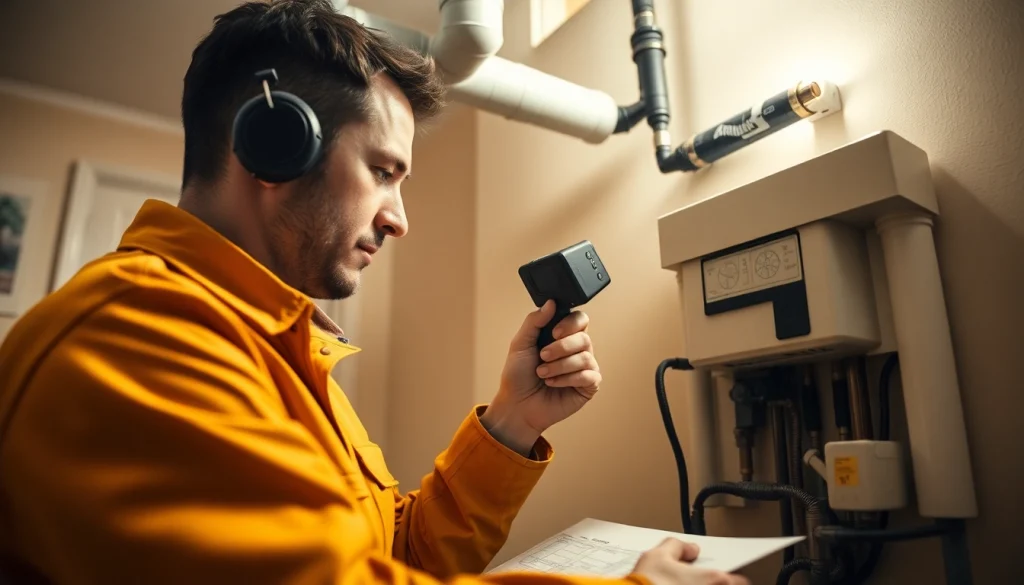
Understanding Central Heating Hidden Leaks
Leaks in central heating systems can lead to significant problems, from increased energy bills to extensive property damage. Hidden leaks, in particular, pose a serious challenge as they often go unnoticed until they cause serious issues. Understanding the nature of these leaks, their causes, and the timely detection methods is crucial for any homeowner. When exploring options, central heating hidden leak services can offer invaluable support to detect and remediate these issues before they escalate.
Common Causes of Hidden Leaks
Hidden leaks in central heating systems can arise from a variety of factors. Common causes include:
- Corrosion: Over time, pipes can corrode, especially in older homes. This can create pinhole leaks that are difficult to detect until significant damage occurs.
- Joint Failure: Poorly installed or aged joints can become weak and fail, leading to leaks that seep into walls and floors.
- Temperature Fluctuations: Frequent changes in temperature can cause pipes to expand and contract, which can eventually lead to cracks or breaks in the pipes.
- Improper Installation: If a heating system is not installed correctly, it may result in leaks from the outset.
Signs Your Central Heating System May Be Leaking
Recognizing the signs of a leak can help you address the problem before it worsens. Watch out for:
- Dropping Boiler Pressure: A constant need to top up the pressure in your boiler may indicate a leak in the system.
- Damp Patches: Moist areas on walls or floors can signal that water is escaping a hidden pipe.
- Mold Growth: Mold in areas surrounding your heating system can indicate prolonged moisture from a leak.
- Unusual Noises: Listen for gurgling or hissing sounds, which can be a sign of escaping air or water.
The Importance of Early Detection
Detecting hidden leaks early is essential to mitigate damage. Ignoring these signs can lead to severe structural damage and costly repairs, including mold remediation and system replacement. By addressing leaks promptly, homeowners not only save money but also protect their investment in their property. Proactive leak detection is crucial in maintaining a healthy and efficient heating system.
Techniques for Locating Hidden Leaks
Advanced leak detection technologies provide home specialists with tools to locate hidden leaks accurately and efficiently. Utilizing these techniques minimizes the destructive search methods of the past.
Using Thermal Imaging for Detection
Thermal imaging cameras are valuable tools that detect temperature variations in walls, ceilings, and floors, allowing technicians to identify areas where leaks may exist. The heat differential caused by escaping water can help pinpoint the exact location of hidden pipes and leaks without tearing up your property.
Acoustic Listening Devices Explained
Acoustic listening devices work by amplifying the sound of escaping water within pipes. Technicians use these devices to listen for the distinct sounds of leaking fluids, which can be especially helpful in locating underground leaks. This method is often paired with other techniques for enhanced detection accuracy.
Pressure Testing: A Proven Method
Pressure testing involves isolating sections of the heating system to monitor for pressure drops. If a drop is detected, it indicates a potential leak. This method is highly effective for identifying leaks in pressurized systems and is part of a comprehensive leak detection strategy.
Preventative Measures for Homeowners
Homeowners can take several preventive measures to minimize the risk of hidden leaks in their central heating systems. Regular maintenance and vigilance can save you from future headaches.
Regular Maintenance of Heating Systems
Routine maintenance should include checking for signs of wear and tear, testing pressure levels, and ensuring that all joints are secure. Having a qualified technician perform annual inspections can help catch potential issues before they develop into serious leaks.
Identifying Vulnerable Areas in Your System
Certain parts of your heating system are more susceptible to leaks than others. Focus on areas like:
- Near joints and fittings
- At the boiler and pump locations
- Underfloor heating systems
Being aware of these vulnerable areas allows for more targeted inspections and repairs.
Applying Leak Sealants Effectively
For minor leaks, using a leak sealant can be an effective temporary solution. Ensure that you select a product specifically designed for heating systems to avoid potential damage. While sealants can offer quick relief, they should not replace professional diagnostics and repairs.
Cost Implications of Ignoring Hidden Leaks
Ignoring hidden leaks can have significant financial ramifications. Understanding these costs can motivate homeowners to seek timely assistance.
How Hidden Leaks Increase Energy Bills
Even small leaks can cause heating systems to become inefficient, leading to increased energy consumption and higher utility bills. Homeowners may not realize that the slow drip from a hidden leak could be contributing to their skyrocketing heating costs.
Potential Damage to Property
Water damage from hidden leaks can lead to mold growth, structural damage, and costly repairs. Contaminated water can also harm your interior finishes, leading to more extensive renovations. The longer a leak goes undetected, the more severe—and expensive—the damage becomes.
Insurance Considerations for Homeowners
Many homeowner insurance policies cover damage caused by hidden leaks, but it is essential to understand the terms and conditions. Regular maintenance and prompt reporting of leaks can help ensure coverage remains valid.
Future Trends in Leak Detection Technology
As technology evolves, the methods used for leak detection are also changing. Here are some trends to watch for in the coming years.
Innovative Tools on the Market
New tools and devices are continuously being developed to enhance leak detection accuracy. Innovations in sensors, drones, and robotic inspections provide promising avenues for improved efficacy in leak detection.
The Role of Smart Home Technology
Smart home systems are beginning to incorporate leak detection technology that alerts homeowners to potential issues before they escalate. This proactive approach ensures timely action can be taken to mitigate damage.
Predictions for Leak Detection in 2025 and Beyond
As we approach 2025, we can expect further advancements in leak detection technology, including AI-driven analysis and real-time monitoring systems. These innovations will make it easier for homeowners to keep track of their plumbing systems and act on potential issues before they cause significant damage.