
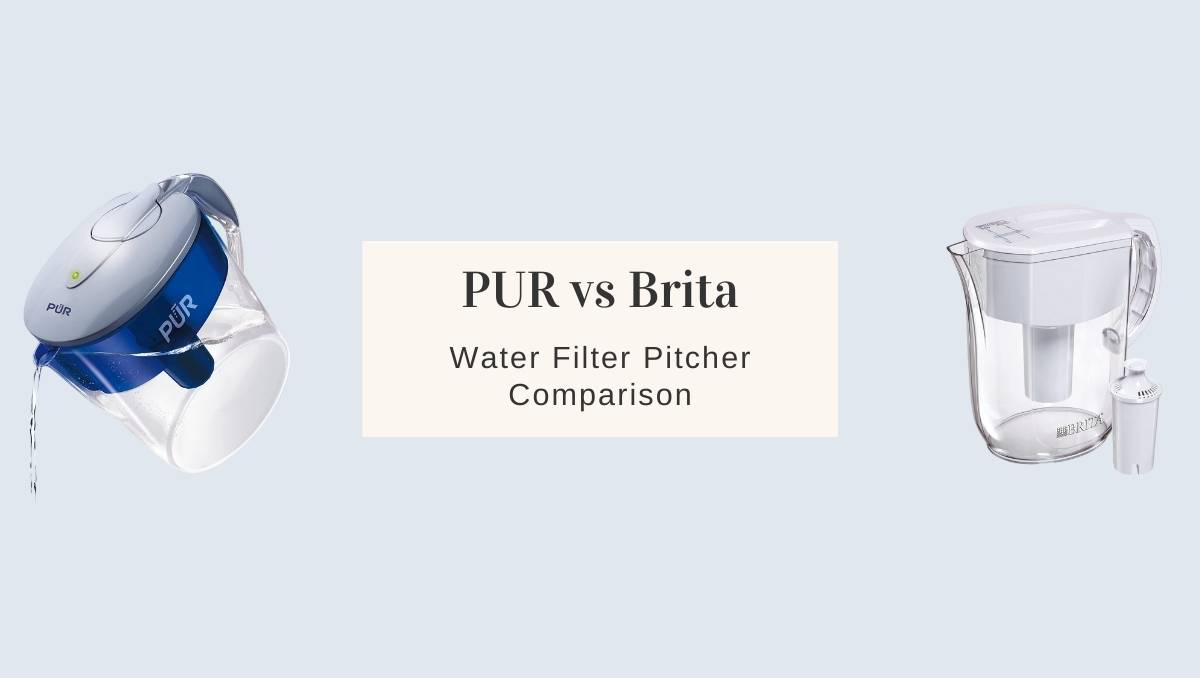
Choosing the right water filter for your home can feel overwhelming, especially when deciding between two leading brands: Brita or Pur. Clean drinking water is essential for health, but the market is filled with options, each promising better performance. This article dives into a detailed comparison of brita or pur to help you make an informed choice. We will explore their filtration systems, costs, usability, and overall effectiveness.
- Understanding Brita or Pur: The Basics
- Comparing Filtration Efficiency
- Cost Comparison of Brita or Pur
- Usability and Maintenance
- Taste and Water Quality
- Design and Aesthetic Considerations
- Environmental and Sustainability Factors
- Verdict: Brita or Pur
- Filtration Technology: Brita or Pur
- Cost and Value: Brita or Pur
- Ease of Use: Brita or Pur
- Taste and Water Quality: Brita or Pur
- FAQs
- Conclusion
Understanding Brita or Pur: The Basics
What Brita Offers
Brita is a household name known for making water filters accessible and user-friendly. Their pitchers, faucet filters, and dispensers are designed to remove contaminants such as chlorine, which affects taste and odor, as well as some heavy metals like copper and mercury.
Brita’s appeal lies in its simple design. The filters are easy to replace, and the brand has a strong presence in retail stores, making refills convenient. Users often praise Brita for improving the taste of tap water quickly.
What Pur Offers
Pur, on the other hand, focuses on deeper filtration. Their filters are certified to remove more contaminants than many standard filters, including lead, mercury, and certain pesticides. Pur offers both pitcher filters and faucet-mounted systems, often emphasizing safety for families.
Pur’s filtration uses advanced carbon and ion exchange technology to target a wider array of pollutants. Many users report a noticeable difference in water clarity and taste when comparing Pur to basic filtration systems.
Comparing Filtration Efficiency
Contaminants Removed by Brita or Pur
When deciding between Brita or Pur, understanding what contaminants each removes is crucial. Brita primarily targets chlorine, mercury, copper, and zinc. This makes it great for improving taste and basic chemical filtration but less effective against heavy metals like lead.
Pur filters, however, are certified to remove over 70 contaminants, including lead, mercury, chlorine, and certain pharmaceuticals. This advanced filtration makes Pur a strong choice for households with older plumbing or concern about specific waterborne contaminants.
Real-Life Impact
Consider a family living in an older home with lead pipes. Using Brita alone might reduce chlorine and improve taste, but it may not remove lead efficiently. Switching to Pur ensures higher safety against these harmful elements, demonstrating why filtration efficiency matters in practical terms.
Cost Comparison of Brita or Pur
Initial Investment
Brita pitchers are generally more affordable, with models ranging from $20 to $40. Replacement filters cost around $5 to $10 each, lasting about two months. This makes Brita an attractive choice for budget-conscious households.
Pur filters, while slightly more expensive, offer broader contaminant removal. Pitchers often range from $30 to $50, and replacement filters cost $10 to $15 each. While the upfront cost is higher, the peace of mind from enhanced filtration may outweigh the price difference.
Long-Term Value
Long-term, the choice between Brita or Pur depends on your priorities. If taste improvement and affordability are most important, Brita is a solid choice. If health protection and contaminant removal are priorities, Pur’s higher efficiency justifies its cost.
Usability and Maintenance
Ease of Use with Brita
Brita’s design focuses on simplicity. Filters click into place easily, and most pitchers feature a clear indicator for filter replacement. The brand also provides a wide variety of pitcher sizes and styles, making it easy to fit any kitchen.
Ease of Use with Pur
Pur is also user-friendly, but its filters can sometimes be more complex to install, especially on faucet systems. However, Pur’s clear instructions and digital filter indicators make maintenance straightforward once installed. Many users find the slightly longer setup worth the additional filtration benefits.
Taste and Water Quality
Taste Test: Brita or Pur
Taste is often the deciding factor for many buyers. Brita improves the flavor of tap water by removing chlorine and certain metals, producing crisp, refreshing water suitable for everyday drinking.
Pur, however, often delivers a cleaner, fresher taste due to its broader filtration. Water tested with Pur often has fewer detectable impurities, giving a noticeable improvement for coffee, tea, or cooking.
Personal Preference Matters
Ultimately, taste is subjective. Some users prefer Brita’s subtle improvement, while others notice a distinct clarity and freshness with Pur. Trying both can help identify which water profile your household enjoys most.

Design and Aesthetic Considerations
Brita Design Features
Brita offers sleek, modern pitchers, available in different colors and sizes. Their compact design suits small kitchens and can easily fit into refrigerator doors.
Pur Design Features
Pur often leans toward functional design, with some models slightly larger due to advanced filters. Many users appreciate the robust feel and digital filter indicators that help ensure timely replacements.
Case Study Example
A college student living in a small apartment may prefer Brita for its compact size and affordability. Meanwhile, a family concerned about lead and chlorine may choose Pur for its comprehensive filtration and digital convenience.
Environmental and Sustainability Factors
Filter Longevity
Both Brita or Pur filters are replaceable, but Pur filters often last slightly longer, reducing waste over time. Some Brita models allow recycling of filters through specific programs, promoting environmental responsibility.
Packaging and Materials
Both brands have made strides in using recyclable materials and reducing plastic waste. Choosing either option with environmental programs in mind can minimize your ecological footprint.
Verdict: Brita or Pur
When it comes down to choosing between Brita or Pur, it largely depends on your household priorities. If your goal is basic chlorine and taste removal at a low cost, Brita is highly effective and user-friendly. For comprehensive contaminant removal and maximum safety, Pur offers superior filtration.
Many households find a hybrid approach works well—using Brita in low-risk areas for casual drinking and Pur where contaminant concerns are higher. Both brands have strengths that cater to different needs, making the decision personal rather than universal.
Filtration Technology: Brita or Pur
How Brita Filters Work
Brita uses activated carbon and ion-exchange resin to reduce chlorine, zinc, copper, and mercury. Many users choose Brita for everyday drinking water because it enhances taste while removing common chemicals. When comparing brita or pur, Brita’s simplicity makes it easy to install and maintain.
How Pur Filters Work
Pur employs a similar carbon filtration system but with additional layers to remove more contaminants, including lead and certain pesticides. If you are debating brita or pur, Pur generally offers more comprehensive filtration, making it a stronger choice for households concerned about safety.
Cost and Value: Brita or Pur
Initial Cost Considerations
Brita pitchers are often less expensive upfront, making them appealing to budget-conscious buyers. When weighing brita or pur, consider that the lower price of Brita comes with basic filtration. Pur may cost more initially but provides extended contaminant removal.
Long-Term Value
Over time, Pur filters tend to last slightly longer and filter more water before needing replacement. For people comparing brita or pur, the additional cost can translate into better long-term value and peace of mind regarding water quality.
Ease of Use: Brita or Pur
User-Friendly Features of Brita
Brita pitchers are lightweight, easy to fill, and include simple filter indicators. For those choosing brita or pur, Brita stands out for convenience and minimal setup.
User Experience with Pur
Pur filters may take slightly more effort to install, especially in faucet systems. However, their digital filter indicators and comprehensive instructions simplify maintenance. Comparing brita or pur, Pur requires a bit more initial effort but often results in cleaner, fresher water.
Taste and Water Quality: Brita or Pur
Taste Improvements with Brita
Brita effectively removes chlorine and some metals, improving the taste of tap water. When deciding brita or pur, many users note that Brita delivers a crisp and refreshing flavor suitable for daily drinking.
Taste Improvements with Pur
Pur’s broader filtration often results in water with fewer detectable impurities. For those debating brita or pur, Pur may provide a cleaner, more neutral taste, ideal for cooking, coffee, and tea preparation.
FAQs
Which is better for removing lead, Brita or Pur?
Pur is generally better at removing lead due to its advanced filtration system. While Brita removes some heavy metals, it does not target lead as effectively as Pur.
How often should I replace my Brita or Pur filter?
Brita filters typically last two months, while Pur filters last around three months depending on water usage. Digital indicators on some Pur models make it easier to track replacement timing.
Can I use Brita or Pur for well water?
Both filters can improve taste and reduce common contaminants, but Pur is usually preferred for well water due to its ability to remove a wider range of impurities, including certain metals and chemicals.
Conclusion
Choosing between Brita or Pur is a decision that depends on your water quality concerns, budget, and personal preferences. Brita offers affordability and convenience with decent filtration, while Pur provides advanced contaminant removal and enhanced safety. By understanding your household’s needs and the features of each brand, you can select a water filter that ensures clean, healthy, and great-tasting water for every member of your family. We’ve designed our homepage to help you find what you need faster.