
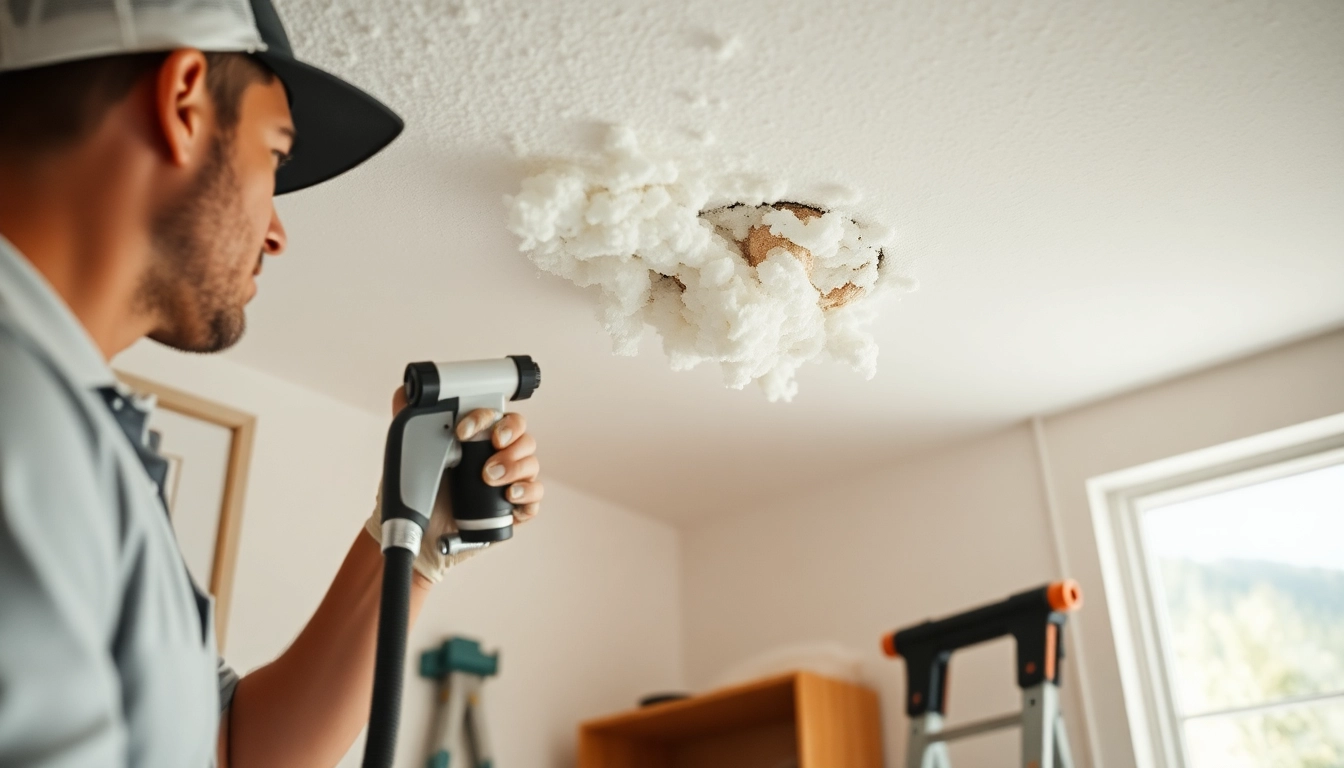
Understanding Spray Foam Removal Surrey
What Is Spray Foam?
Spray foam is a type of insulation material consisting of two main components, which are mixed and propelled into the desired area. Once in place, it expands and solidifies, forming a robust, airtight seal. This material is highly valued for its energy efficiency properties, as it effectively reduces heat loss in buildings and can also serve as a sound barrier. Spray foam can be used in various applications, including attics, walls, and even crawl spaces. However, while it offers numerous benefits, improper installation or deterioration over time can necessitate the removal of spray foam, particularly in specific regions like Surrey.
Common Reasons for Removal
There are several scenarios in which spray foam removal Surrey becomes essential. Common reasons include:
- Water Damage: Exposure to moisture can lead to mold growth within the spray foam, compromising indoor air quality and safety.
- Deterioration: With age, spray foam may crack or degrade, losing its insulation properties and potentially creating hazardous conditions.
- Property Renovations: When updating a building for aesthetic or functional purposes, old spray foam may need to be removed to make way for new materials.
- Health Concerns: If there are signs of health issues or allergies associated with the spray foam, its removal may be necessary for safety reasons.
Risks of Improper Removal
Improper removal of spray foam can lead to serious risks. One significant concern is structural damage; the adhesive properties of spray foam can cause damage to underlying surfaces if not removed correctly. Additionally, health risks such as exposure to toxic chemicals can occur if safety protocols are ignored. Furthermore, damage to electrical systems or plumbing can occur if those components are not properly identified and protected during the removal process. Thus, having a professional handle spray foam removal Surrey is strongly recommended.
Signs You Need Spray Foam Removal Surrey
Visual Indicators of Damage
One of the most straightforward methods of determining whether spray foam requires removal is through visual inspection. Some indicators include:
- Discoloration: Dark spots or color changes can suggest the presence of mold or moisture issues.
- Cracking or Peeling: These signs may indicate that the foam has weakened and is failing in its insulation effectiveness.
- Soft Spots: Any soft or spongy areas can signify material breakdown, prompting immediate inspection.
Health Concerns Related to Spray Foam
Health issues can arise from degraded or improperly installed spray foam. Common symptoms may include respiratory problems, allergic reactions, or other health concerns. If residents experience unusual or worsening health conditions, particularly those related to breathing, a thorough investigation should be conducted. Air quality testing may be warranted to ascertain if harmful particles from the spray foam are contributing to these effects.
Structural Issues Caused by Spray Foam
Spray foam insulation can also lead to structural issues if installed or maintained improperly. Some structures may experience warping or stress due to the expansion and contraction of the foam material over time. This can weaken walls, ceilings, and other critical components of the building. Early signs include cracks in drywall or issues with windows and doors closing properly. Recognizing these signs can help homeowners act before extensive damage occurs.
The Spray Foam Removal Process
Initial Assessment and Inspection
The first step in the removal process involves a thorough assessment and inspection of the affected area. Trained professionals will carefully analyze the extent of damage and the conditions surrounding the spray foam. This evaluation involves checking for moisture levels, measuring the extent of any mold growth, and assessing structural integrity. Establishing a clear understanding of the situation will dictate the removal approach while prioritizing safety and efficiency.
Preparation and Safety Measures
Prior to removal, it’s crucial to implement comprehensive safety measures. These may include:
- Personal Protective Equipment (PPE): Wearing appropriate protective gear such as gloves, masks, and goggles to minimize exposure to dust and harmful substances.
- Containment Strategies: Setting up containment measures to prevent foam particles or debris from spreading to clean areas during the removal process.
- Air Quality Management: Using ventilators or air scrubbers to maintain air quality and protect workers and residents from inhaling potentially harmful vapors.
Step-by-Step Removal Techniques
The removal of spray foam is a meticulous task that typically follows these steps:
- Cutting the Foam: Specialized tools are used to cut through the foam, carefully avoiding damage to underlying structures.
- Extracting the Foam: Skilled professionals will use removal equipment to gently extract the foam layers, ensuring minimal disruption to surrounding areas.
- Cleaning the Area: Following removal, all debris must be cleared, ensuring a thorough clean-up to eliminate any hazardous materials.
- Final Inspection: Conducting a post-removal inspection to ensure all foam is removed and no underlying damage remains.
Post-Removal Considerations
Cleaning and Disposal Practices
Proper disposal of removed spray foam is crucial to adhere to local regulations and environmental standards. Professionals will follow stringent guidelines to safely dispose of the foam material, ensuring that any hazardous components are managed correctly. Additionally, thorough cleaning practices must be implemented to rid the space of all foam particles and contaminants, promoting a safe environment for future use.
Repairing Damaged Areas
Once the spray foam is removed, repairing any damage is vital. This may involve patching or replacing walls, ceilings, or other structural components that were compromised. Using high-quality materials and professional finishing techniques ensures that the repaired areas are as robust and well-insulated as the rest of the structure.
Alternatives to Spray Foam Insulation
If homeowners decide to replace spray foam insulation, there are several alternatives available that may better suit their needs. These options include:
- Fiberglass Insulation: Great for its cost-effectiveness and availability, fiberglass fits various applications and has good thermal performance.
- Cellulose Insulation: Made from recycled paper products and treated for fire resistance, cellulose is an eco-friendly option that provides excellent insulation.
- Mineral Wool (Rock Wool): Known for its fire resistance and sound absorption properties, mineral wool is an excellent alternative for certain applications.
FAQs About Spray Foam Removal Surrey
What are the health risks of damaged spray foam?
Damaged spray foam can release harmful chemicals into the air, leading to respiratory issues, allergies, and other health concerns. If you notice health problems, it’s essential to consult a professional for evaluation.
How long does the removal process take?
The duration of spray foam removal can vary based on the size of the area and condition of the foam. Typically, the process may take a few hours to a couple of days for complete removal and clean-up.
Can I perform spray foam removal myself?
DIY spray foam removal is strongly discouraged due to health risks, structural concerns, and potential safety hazards. Hiring professionals ensures a safe and effective removal process.
What costs are associated with spray foam removal Surrey?
Costs can vary widely based on factors like injection techniques and scope of the job. Homeowners should seek quotes from qualified professionals to get accurate estimates for their specific needs.
What should I do after removal?
After spray foam removal, it’s crucial to assess damaged areas, repair any issues, and consider alternative insulation solutions. Conducting air quality tests can also be beneficial to ensure a safe living environment.