
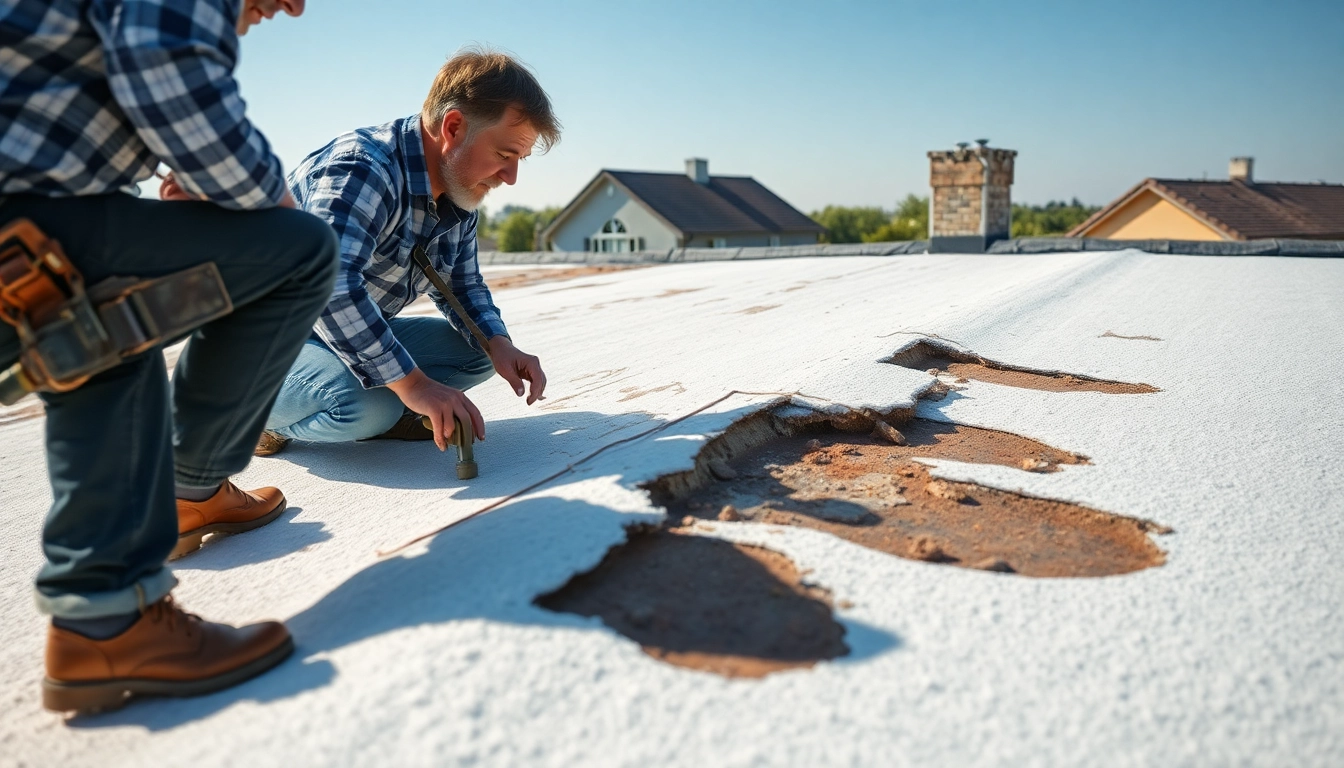
Understanding Spray Foam Roof Problems
What are Spray Foam Roofs?
Spray foam roofs are increasingly popular in the construction and renovation industry due to their exceptional insulation properties and water resistance. This roofing system involves applying a mixture of two components—polyurethane and isocyanate—through a specialized spray nozzle, allowing it to expand and form a solid layer on the roof’s surface. The resulting foam creates a seamless, monolithic barrier that adheres well to various substrates, eliminating the potential for leaks commonly associated with traditional roofs. As energy efficiency becomes a priority for homeowners and businesses, the demand for spray foam roofs continues to rise.
Common Issues Faced by Homeowners
While spray foam roofs offer numerous advantages, they are not without their issues. Homeowners frequently report several spray foam roof problems, which can arise from improper installation, environmental factors, and a lack of regular maintenance. Some of the most common issues include:
- Moisture intrusion and trapped water
- UV degradation leading to surface deterioration
- Insulation breakdown due to temperature fluctuations
- Cracking or peeling of the foam surface
- Improper adhesion to the substrate
Understanding these common challenges is crucial for homeowners to take proactive measures to prevent severe damage and costly repairs.
Identifying Signs of Trouble
Recognizing the signs of trouble early can save homeowners significant time and money. Common indicators of potential issues with spray foam roofs include:
- Visible cracks or gaps in the foam surface
- Dark spots or discoloration, suggesting moisture damage
- Peeling edges or bubbles within the foam
- Pooling water or damp areas on the roof
- Unusual indoor humidity or unexplained increases in energy costs
Regular inspections and prompt action can mitigate risks associated with these signs, ensuring the longevity and effectiveness of the roof.
The Impact of Weather on Spray Foam Roof Problems
How Moisture Affects Spray Foam
Moisture is a primary antagonist to the integrity of spray foam roofs. When water seeps into the foam or becomes trapped beneath the surface, it can lead to serious issues such as:
- Decreased insulation effectiveness
- Mold and mildew growth, contributing to health issues
- Structural damage to the roof framework
Proper drainage systems and vapor barriers can help mitigate these risks, and homeowners should be vigilant in monitoring areas prone to moisture accumulation.
Temperature Fluctuations and Their Effects
Temperature changes can significantly impact the lifespan of spray foam roofs. When temperatures fluctuate, the materials can expand and contract, leading to potential cracking or peeling. Extreme heat can lead to a breakdown of the foam’s structure, while severe cold can make the foam brittle. Thus, maintaining a consistent temperature and implementing protective coatings can enhance durability.
UV Exposure Risks
Ultraviolet (UV) rays can wreak havoc on spray foam roofs over time. Continuous exposure to UV sunlight can cause surface degradation, resulting in visual wear, i.e., discoloration and surface cracking. Fortunately, applying a protective topcoat can greatly enhance UV resistance and prolong the roof’s operational lifespan.
Maintenance Tips for Preventing Spray Foam Roof Problems
Regular Inspection Guidelines
To keep a spray foam roof in optimal condition, regular inspections are essential. Homeowners should inspect their roofs at least biannually, especially before and after extreme weather events. During inspections, look for:
- Obvious wear and tear
- Unusual environmental changes
- Growth of moss or algae
- Missing or damaged drainage outlets
Identifying issues early on can help avoid larger problems down the line.
Proper Cleaning Techniques
Cleaning the roof surface is key to extending its lifespan. Use a soft-bristle brush or a blower to remove debris, followed by a gentle wash with warm, soapy water. Avoid harsh chemicals, as they can damage the foam. Keeping the roof surface clear reduces the risk of moisture accumulation and enhances its thermal performance.
When to Call a Professional
While regular maintenance is vital, some issues require professional expertise. Homeowners should consider contacting a roofing specialist if:
- There are significant cracks or peeling
- Mold or mildew has formed
- Water intrusion issues persist
- Repairs involve large areas or complicated structures
Professional assessment can ensure proper techniques are used for repair, minimizing further damage.
Repair Methods for Common Spray Foam Roof Problems
DIY Repairs: What You Can Handle
There are several minor repairs that resourceful homeowners can tackle themselves. These DIY options include:
- Touching up small cracks with spray foam sealant
- Applying a waterproof coating if the surface begins to discolor
- Cleansing debris and ensuring proper drainage
However, caution is advised, as mishandling repairs could exacerbate existing problems.
Professional Repair Options
For larger repairs or when issues are complex, hiring a professional service is recommended. Professionals can utilize specialized equipment and techniques to:
- Properly reseal seams and joints
- Repair or replace sections of damaged foam
- Apply adequate protective coatings to extend the roof’s life
Investing in professional repairs can lead to better long-term outcomes and protect the overall asset value of the home.
Cost Considerations for Repairs
Costs associated with repairing spray foam roofs can vary widely based on the extent of damage and geographical location. Homeowners should anticipate spending anywhere from a few hundred to several thousand dollars. Obtaining multiple estimates and researching repair professionals beforehand can ensure a fair price for the necessary repairs.
Frequently Asked Questions about Spray Foam Roof Problems
How can I detect moisture issues?
Look for water stains on the ceiling, damp areas on the roof, or increased humidity indoors. Visible cracks or pooling water are also indicators.
What should I do if my roof is peeling?
Minor peeling can often be managed by applying a new coat of spray foam. However, extensive peeling may require the input of a professional service.
How often should I inspect my roof?
Inspect your spray foam roof at least twice a year, plus after major weather events, to catch potential issues early.
Can I repair spray foam myself?
Minor repairs like sealing cracks are manageable for many homeowners. However, for significant damage, it’s recommended to hire a professional.
What is the lifespan of a spray foam roof?
With proper installation and maintenance, a spray foam roof can last 20 to 30 years, making it a cost-effective roofing solution.